Wildlife Control and Rattle Snake Removal in Kearney, Nebraska
Discovering an unexpected reptile nesting underneath your outdoor deck, patio stairs, or dark crawl space cavities introduces serious physical hazards and immediate safety anxieties to your household. Finding a venomous snake under house framing grids or encountering wild species near high-traffic porch steps compromises your outdoor comfort, requiring fast structural intervention to manage active wildlife threats securely without risking accidental bite injuries. Our targeted extraction methods focus on tracking reptile movement paths, handling aggressive species using professional handling tongs, and executing safe containment procedures immediately. We deliver reliable wildlife remediation frameworks designed specifically for residential property owners and local commercial facilities operating throughout the entire Kearney area. Instead of attempting risky do-it-yourself capture strategies that provoke defensive wildlife strikes, our local approach ensures absolute physical exclusion, perimeter habitat management, and long-term security. If you spot dangerous reptiles near your foundation walls, we provide dependable seasonal solutions.
Our Step-by-Step Snake Extraction Process
Managing sudden wildlife intrusions requires a fast, highly disciplined response to safeguard your structural thresholds and prevent defensive reptile strikes around high-traffic zones. Because wild species react aggressively when trapped near residential pathways or crawl spaces, removal protocols must rely on professional handling tools and safe perimeter capture frameworks. Our structured methodology focuses on scanning entry points, executing precise tactical trackings, and applying secure containment tools to manage species hazards cleanly without creating property risks. By handling interventions through standardized physical controls, every stage completely secures your living zones while keeping home metrics comfortable. From the immediate area safety assessment to final barrier exclusion lines, this systematic process setup delivers dependable seasonal relief and total peace of mind for your household.
1. Assessment
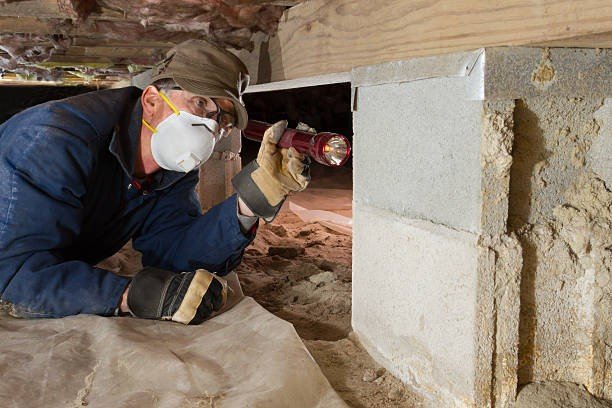
We perform a physical scan of the building footprint to identify the reptile species and evaluate structural openings around foundation walls. This initial check maps out potential escape routes, establishing a boundary line before extraction equipment is set up on the property surfaces.
2. Tracking
Our process tracks local movement paths to pinpoint where invading reptiles seek dark shelter. We check low-clearance areas beneath exterior wooden decks, inside deep crawl space joists, and along concrete expansion gaps where migrating wildlife frequently finds nesting pockets near boundaries.
3. Extraction
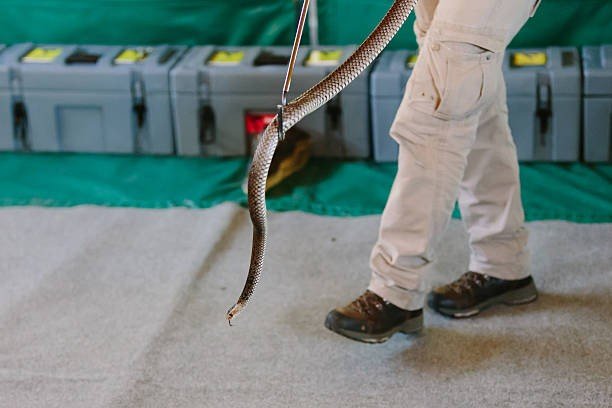
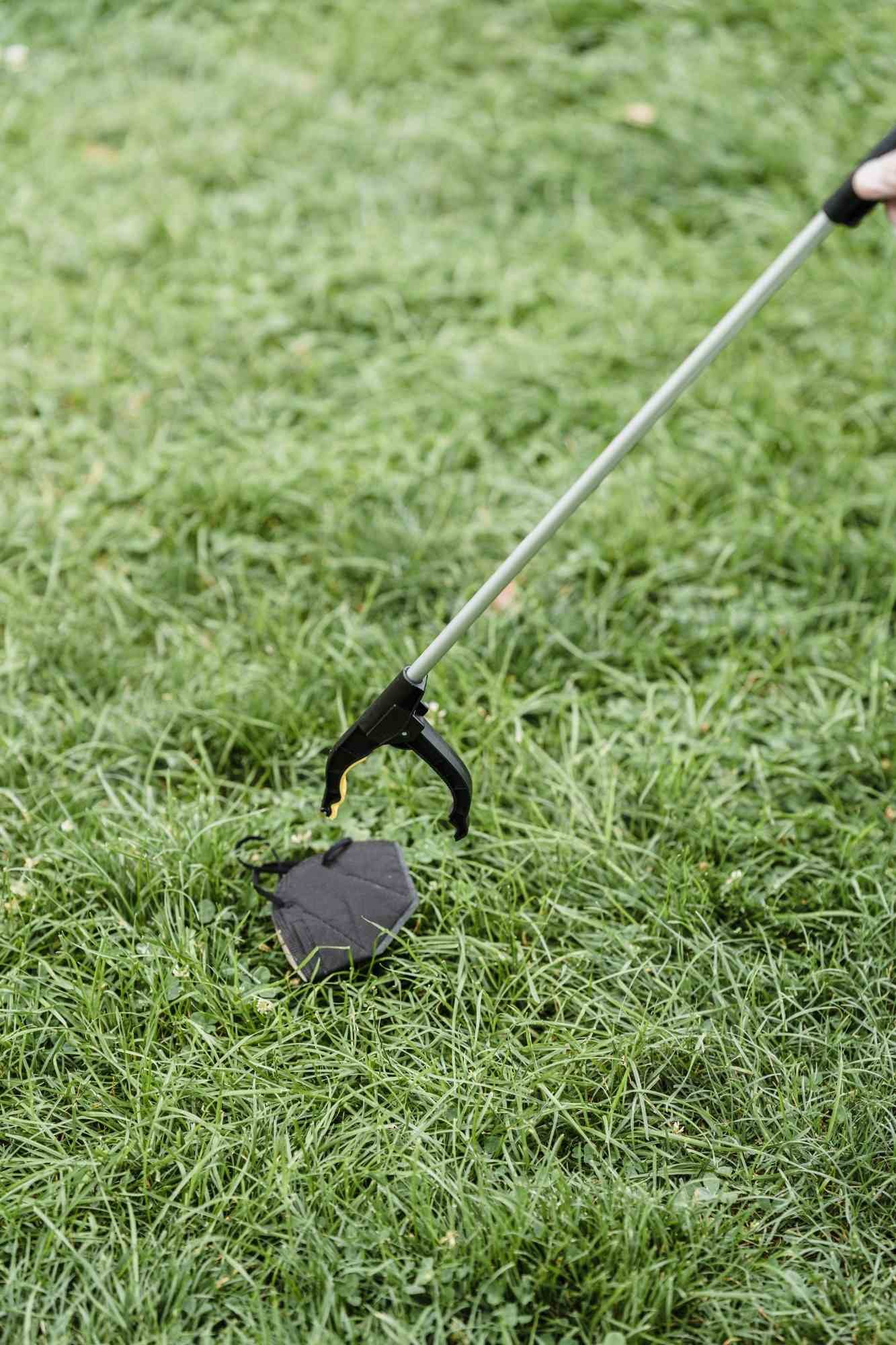
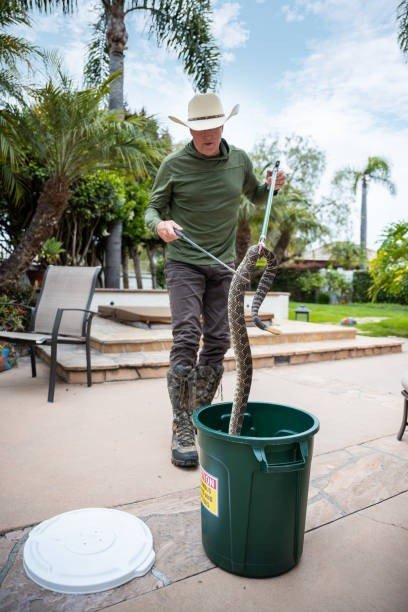
Utilizing standard handling tongs, extension hooks, and secure locking transfer buckets, the target reptile is removed from the immediate structure. The handling procedure focuses on lifting and containment without provoking defensive strikes, keeping the extraction localized to the active perimeter zone.

4. Exclusion
We set up basic structural exclusion barriers to fortify entry thresholds against future migrating wildlife. This involves sealing outer foundation gaps, installing durable steel wire mesh panels over vents, and trimming heavy vegetation growth directly touching your exterior patio masonry walls.
Signs of Reptile Activity: Is There a Snake Hiding On Your Property?
Because cold-blooded reptiles naturally seek out dark, undisturbed environments to regulate their body temperatures, their presence inside residential boundaries often goes unnoticed until distinct behavioral indicators appear. Wild species frequently migrate toward properties tracking rodent food sources, establishing temporary nesting spots inside structural cavities, under concrete patios, or deep within low-clearance crawl spaces. Recognizing the subtle warning signs early helps property owners address potential wildlife hazards before accidental encounters occur near high-traffic paths. Evaluating localized physical evidence allows you to check if your boundary lines require a thorough perimeter inspection to ensure household safety. Reviewing the following common situational conditions helps determine if migrating wildlife has breached your exterior foundation thresholds.
Shed Snake Skins Near Vents
Finding intact, papery reptile skins discarded inside your crawl space joists or along stone foundation boundaries confirms active wildlife lifecycle movement right around your home.
Wavy Slither Trails in Soil
Noticing continuous winding tracks pressed cleanly into backyard dirt beds or sandy spots indicates that migrating snakes in garden zones are exploring local landscape parameters.
Scratching Noises Inside Cavities
Hearing unexplained rustling or dry scraping noises emanating from tight drywall cavities or dark ceiling panels often signals hidden pests moving through structural voids.
Vanishing Local Rodent Populations
Observing a sudden, unexplained drop in local mice or rat activity near woodpiles suggests a natural predatory reptile has established hunting paths nearby.
Unexplained Backyard Dog Alert Activity
Observing your domestic pets constantly barking, sniffing intently, or pointing aggressively toward deep woodpiles or dense garden shrubbery boundaries signals hidden wildlife nesting activity nearby.
Compressed Openings Near Deck Foundations
Discovering fresh entrance tunnels dug beneath your patio stairs confirms a wild snake under house framing structures has established low-visibility transit channels into crawlspaces.
A Safer Approach to Snake Removal
Finding a snake around your home, garage, yard, shed, or another part of your property can be concerning, especially when you are not sure whether it is safe to approach or where it may have come from. Snake removal should begin with a careful assessment of the area rather than disturbing or chasing the animal. The process can include locating where the snake is hiding, identifying possible entry points, and considering conditions around the property that may provide shelter or attract snakes. For homeowners searching for a snake trapper in Kearney, a clear and safety-focused removal process can help reduce unnecessary contact while addressing the situation responsibly.
Safety-Focused Handling
Snakes can become defensive when they feel threatened or trapped. Keeping children and pets away from the area and avoiding direct contact can help prevent unnecessary encounters. A controlled removal approach focuses on giving the animal space while determining the safest way to handle the situation.
Careful Location & Inspection
Before removal, it can be important to understand where the snake is located and how it may be moving around the property. Garages, sheds, crawl spaces, foundation areas, landscaping, wood piles, and other sheltered spaces may provide places for snakes to hide.
Identify Possible Entry Points
A snake reaching a property may have access through small gaps or openings. Areas around doors, foundations, vents, utility openings, fences, and other structures can be reviewed to identify potential access routes and conditions that may need attention.
Reduce Snake Encounters
Removing a snake is only one part of addressing the problem. Outdoor conditions can also influence where snakes move and shelter. Clearing unnecessary debris, managing dense vegetation, reducing sheltered areas, and addressing potential food sources can help make the surrounding property less suitable for repeated encounters.
Frequently Asked Questions
Do not attempt to poke, trap, or corner the animal. Back away slowly to a safe distance, keep your eyes on the reptile's hiding location, and contact a professional extraction specialist right away.
A thorough physical sweep of your building footprint—including checking dark crawlspaces, underneath outer wooden decks, and along concrete foundation walls—usually takes anywhere from thirty to forty-five minutes to complete properly.
While many regional varieties are harmless garter species that manage garden pests, dangerous venomous varieties like pit vipers do migrate near residential boundaries, making professional species identification critical for household safety.
Store-bought chemical powders, granules, or electronic vibrating stakes offer zero reliable protection against migrating wildlife; permanent exclusion relies completely on sealing structural foundation gaps and trimming thick, dense backyard vegetation borders.
Long-term security involves installing heavy-duty steel wire mesh panels deep into the soil along your deck siding junctions, effectively sealing lower access points to stop migrating species from nesting beneath your property.
Most adult species hunt completely alone throughout the summer months; however, they actively follow pheromone trails to gather in groups inside dark, protected foundation cavities during cold autumn weather to hibernate safely.
Secure Your Home Borders Against Wildlife Intrusion
Don’t allow dangerous reptile encounters to compromise your backyard safety or threaten your household comfort near entry walkways. Contact our local extraction team now for rapid response services that safely extract hidden pests while setting up long-lasting steel wire mesh exclusion barriers around your concrete foundation walls permanently.