Comprehensive General Pest Removal Services for Kearney, Nebraska
Pests can quickly become a problem when they enter your home or business. Ants may gather around food, rodents can damage belongings, and termites may affect wooden structures. Some infestations are easy to notice, while others remain hidden until signs of damage appear.
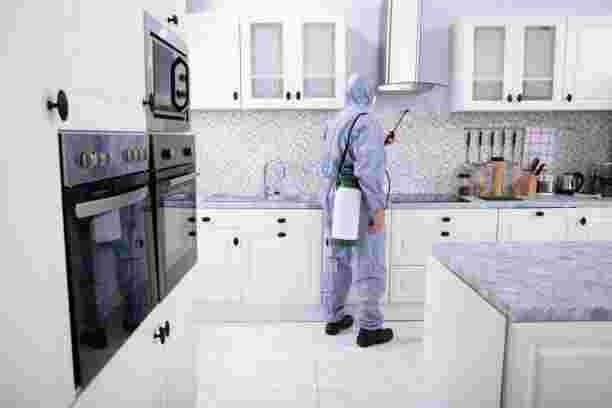
Our pest removal services help property owners in Kearney, Nebraska, address common pest concerns with treatment options suited to the situation. Whether you have noticed insects indoors, scratching sounds in the attic, or a nest near an entrance, identifying the pest is an important first step. We handle a range of pest concerns, including ants, rodents, termites, wasps, hornets, and other common household pests. Contact us to discuss the activity you have noticed and learn which service may be appropriate for your property.
Why Property Owners in Kearney Trust Our Approach
Pests can enter buildings through small gaps, damaged screens, openings around pipes, and spaces near doors or foundations. Once inside, they may find suitable places to feed, hide, or nest. The signs they leave behind can vary depending on the species and the location of the activity.
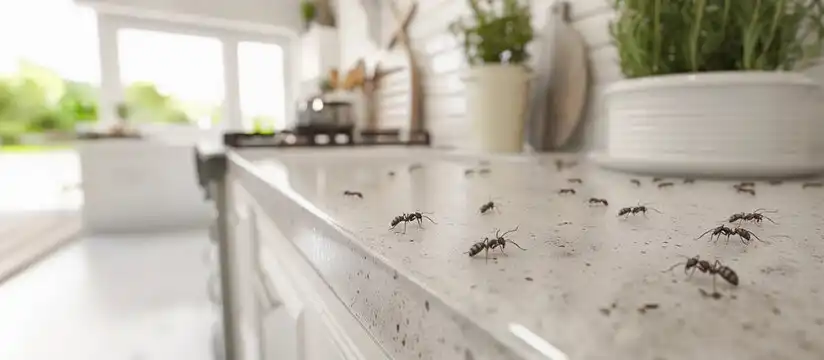
For example, ants may form trails along kitchen counters, rodents may leave droppings in storage areas, and termites can affect wooden materials without being immediately visible. Recognizing these signs helps property owners understand when a closer assessment may be necessary.
We provide pest removal services for residential and commercial properties in Kearney, Nebraska. The appropriate approach depends on the pest involved, the affected area, and the extent of the activity. Understanding these factors helps determine the next steps for addressing the problem and reducing conditions that may encourage pests to return.
Seasonal Pest Removal
Pest activity can change throughout the year as temperatures and outdoor conditions shift. Ants and wasps may become more noticeable during warmer months, while mice and rats may seek shelter inside buildings when temperatures fall. Knowing which pests are active can help property owners recognize seasonal concerns and take suitable preventive measures.
Prompt Attention to Pest Problems
Some pest situations need attention sooner than others. A wasp nest near a doorway, rodents in food storage areas, or suspected termite activity may create concerns that should not be ignored. Describe what you have noticed so the appropriate service and next steps can be discussed.
Local Termite Inspection
Termites can damage wooden structures and other materials containing cellulose. Mud tubes, discarded wings, and damaged wood may indicate possible termite activity. Because some signs can be difficult to identify, an appropriate inspection can help determine whether further investigation or treatment is needed.
Commercial Pest Management
Pests can create problems for offices, shops, restaurants, and other commercial properties. Their presence may affect cleanliness, stored products, and daily operations. Identifying the affected areas and the conditions attracting pests can help determine suitable treatment and prevention measures.

signs you may need pest removal in Your Property
Not every infestation is immediately visible. Some pests remain hidden in wall cavities, cupboards, attics, or beneath wooden structures, while others leave noticeable signs in frequently used areas. Recognizing these clues can help you decide when to investigate further. Repeated insect sightings, droppings, damaged materials, scratching sounds, and nests near buildings can indicate pest activity. The type of evidence you find, along with its location and frequency, can help narrow down the possible cause. If you continue noticing signs despite basic cleaning and preventive measures, consider having the affected areas assessed. Identifying the source can help determine whether treatment is necessary and which approach may be suitable. .
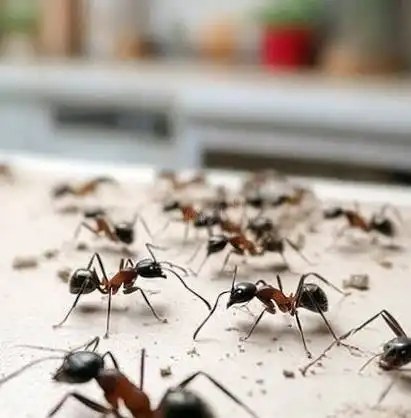
Ant Trails in the Kitchen
Ants often enter kitchens and pantries while searching for food or water. You may notice trails along countertops, near sinks, or around windows and doors. Cleaning away food residue can help reduce attraction, but recurring trails may indicate that ants are still accessing the area. Checking nearby gaps and following visible trails may provide useful clues about where they are entering.
Wood Damage and Mud Tubes
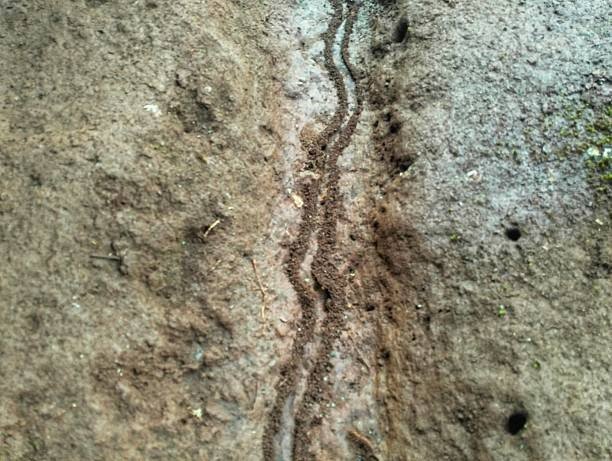
Termites can remain hidden while damaging wooden structures. Possible warning signs include mud tubes near foundations, discarded wings, and wood that appears damaged or weakened. These signs do not always confirm termite activity, but they may justify further investigation. Identifying the cause early can help determine whether treatment or additional assessment is needed.
Droppings and Gnaw Marks
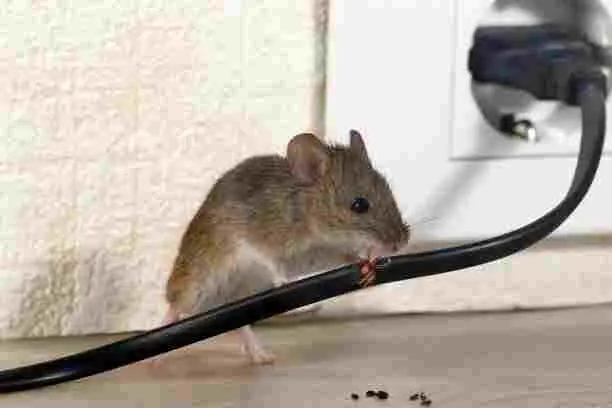
Rodents may leave droppings, chew marks, damaged packaging, or scratching sounds in walls and ceilings. These signs can appear in kitchens, garages, storage rooms, and attic spaces. Avoid direct contact with droppings and use appropriate precautions when cleaning affected areas. If signs continue to appear, an assessment may help identify where rodents are active and how they are accessing the building.
Pest Treatment Methods for Different Property Needs
Different pests require different management approaches. A method suitable for ants may not address a rodent problem, while termites and stinging insects present their own treatment considerations. The choice depends on the pest species, where activity has been found, and the conditions around the property.
Before deciding on a treatment, it is important to understand the problem and identify the affected areas. This helps determine which options may be appropriate and whether additional investigation is needed. Treatment recommendations should also account for relevant safety precautions and instructions for the products or methods being used.
For properties in Kearney, Nebraska, a suitable approach begins with assessing the pest concern rather than assuming every infestation can be handled in the same way.
Professional Pest Assessment
Identifying the pest helps determine how to address the problem. An assessment may involve checking visible evidence, affected areas, and possible entry points. Information gathered during this process can help establish the likely extent of the activity and whether further inspection or treatment may be appropriate.
Targeted Treatment for Pests
Ants, rodents, termites, and stinging insects have different habits and may require different treatment methods. The selected approach should reflect the species involved and the conditions around the property. Following appropriate treatment instructions and safety precautions is an important part of managing the situation.
Entry Point Identification
Small gaps around doors, windows, foundations, and utility openings can provide access for some pests. Identifying these areas can help determine where sealing or other preventive measures may be useful. The appropriate steps depend on the type of pest and the structure of the building.
Outdoor Pest Management
Gardens, sheds, decks, and areas around foundations may provide shelter or nesting opportunities for certain pests. Keeping outdoor spaces orderly and identifying potential nesting areas can help property owners understand where activity is occurring. Treatment decisions should be based on the pest involved and the location of the problem.
Frequently Asked Questions
Safety depends on the pest, the treatment method, and the products used. Tell your service provider about children, pets, aquariums, or other relevant considerations before treatment begins. Follow all product-label instructions and the technician's guidance regarding preparation, ventilation, and when treated areas can be used again.
Appointment length depends on the type of pest, the size of the affected area, and the work required. Some visits may be straightforward, while larger or more complex infestations may need additional inspection or treatment. Ask about the expected duration when arranging your appointment so you can prepare accordingly.
Not every treatment requires occupants to leave the property. The necessary precautions depend on the products and methods used and the areas being treated. Before the appointment, ask whether you need to move food, cover particular items, leave the property, or keep children and pets away for a specified period.
Modern, specialized pest removal methodologies utilize low-odor, botanical, and eco-friendly products designed to dry very quickly without creating lingering structural fumes or environmental disruptions inside family living areas. However, in unique situations involving intensive specialized remediation or specific localized deep-cavity nesting matrices, stepping away from the immediate area for a short period may be suggested purely as a precautionary safety standard.
Results vary according to the pest species, the extent of the infestation, and the treatment method. Some pest activity may decrease quickly, while other situations may take longer to resolve. Ask your provider what to expect after treatment and whether monitoring or additional attention may be necessary.
Pests may return if entry points remain open or if food, moisture, and shelter continue to attract them. Some infestations may also require further treatment depending on their severity and the pest involved. Following relevant prevention guidance can help reduce the likelihood of recurring activity.
Preparation varies depending on the pest and the planned service. You may need to clear access to affected areas, store food securely, or move certain items. Ask for instructions before your appointment and follow the guidance provided for your specific treatment rather than relying on general assumptions.
Reclaim Your Home Today
Pest activity can be difficult to manage when you cannot identify its source or determine how widespread the problem has become. Whether you have noticed insects indoors, signs of rodents, possible termite damage, or a nest near your property, understanding the situation can help you decide what to do next.
We provide pest removal services in Kearney, Nebraska, for a range of common residential and commercial pest concerns. Contact us to explain what you have noticed, ask about available services, and discuss the next steps for your property.
Areas We Serve Across Kearney and Nearby Communities
Our service area includes Kearney, Amherst, Riverdale, Shelton, Gibbon, and Elm Creek, NE, helping property owners understand their options for pest management in their local community.
Pest activity can vary from one property to another, so the right approach depends on the type of pest, where the activity is occurring, and the conditions around the property. Use the map to explore the communities we serve and find the location that is closest to your home or business.