Ant Control Services in Kearney, Nebraska
Discovering continuous lines of trailing insects across kitchen countertops, baseboards, or bathroom tiles indicates an active nest structure nearby that threatens your household sanitation standards. Odorous house ants, carpenter ants, and pavement ants easily breach external protective boundaries, contaminating open food sources and creating complex nesting networks inside wall voids or beneath foundation structures. Our specialized ant control solutions focus on tracking these specific foraging pathways back to their primary nesting source, utilizing targeted baiting and non-repellent perimeter applications to eliminate the core queen safely. We deliver systematic structural protections designed specifically for residential homes and commercial properties operating throughout the entire Kearney area. Instead of relying on ineffective over-the-counter spray treatments that simply scatter colonies, our local method delivers permanent colony eradication, perimeter security management, and structural exclusion. If you notice persistent insect activity near water lines, window frames, or exterior patios, we provide dependable seasonal remediation that restores complete safety and peace of mind to your Nebraska property.
Targeted Strategies for Complete Indoor and Outdoor Ant Eradication
Dealing with persistent trails across your property requires a structured remediation plan that targets insects both outside your perimeter and deep within structural cavities. Foraging pests constantly travel between exterior soil zones and interior food sources, making temporary surface dusting ineffective against deep-nested colonies. Our systematic method focuses on identifying specific species behaviors, deploying localized defensive barriers, and tracking active pathways to neutralize the core breeding structure completely. By managing the biological pressure zones around your home, this multi-phase framework successfully stops invading trails from disrupting your household sanitation standard or damaging structural materials. Whether treating heavy garden mounds or tackling pests behind sheetrock surfaces, every phase maintains clear safety baselines while delivering comprehensive, long-term relief for your entire residential environment.
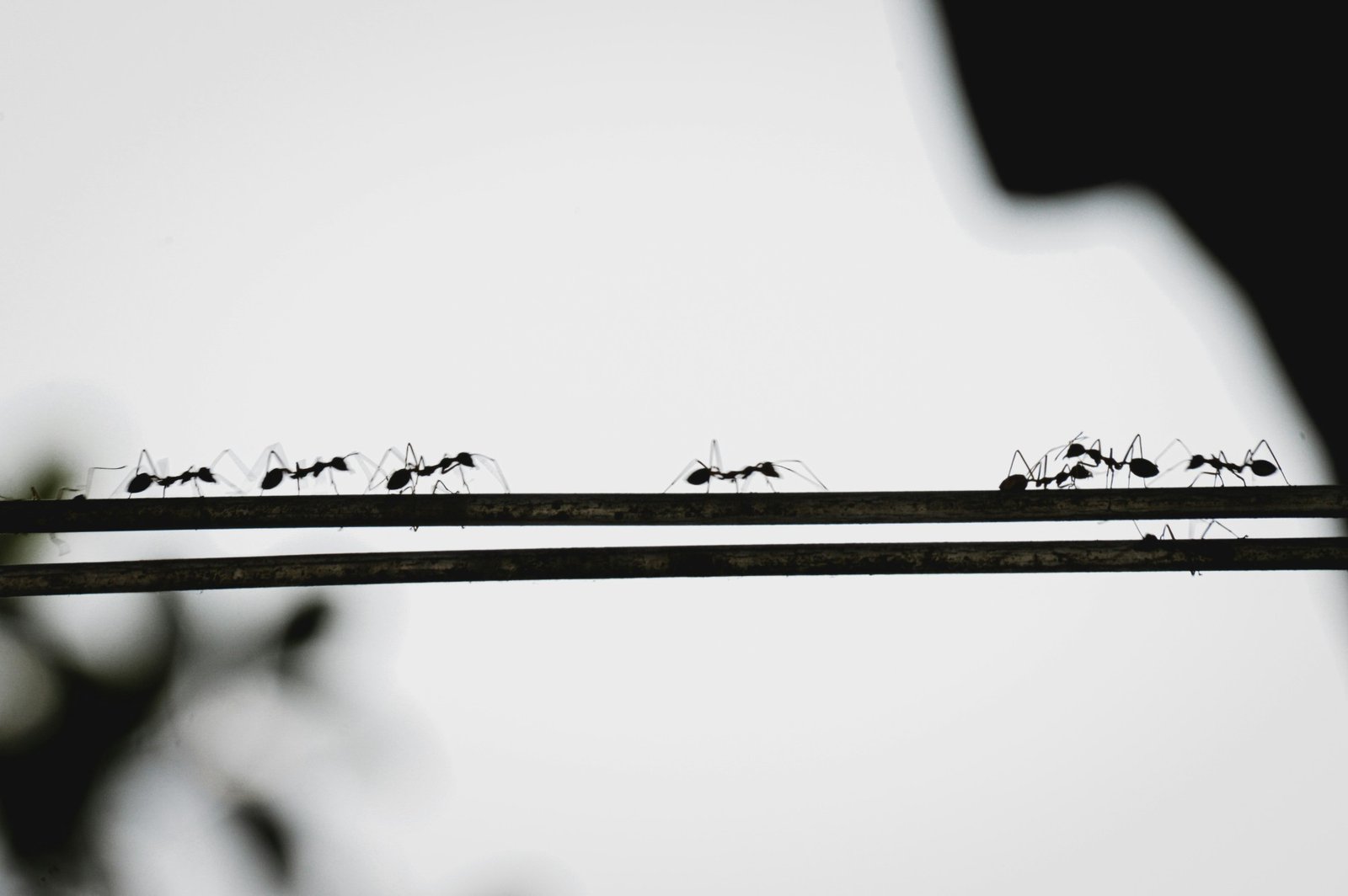
Do you notice little black ants trailing through rooms?
Successful remediation starts by tracking active foraging pathways. We identify specific trailing behaviors of little black ants to map out their primary travel routes along baseboards, cabinetry, and plumbing channels.
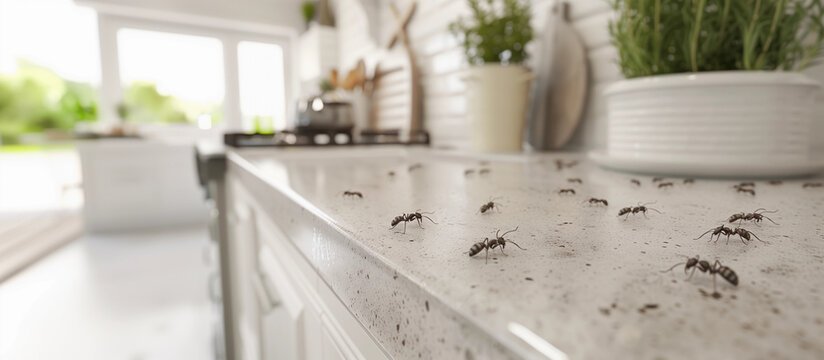
Are there persistent worker ants scavenging food zones?
Active indoor trails are managed using non-repellent bait systems. Foraging worker ants gather the specialized treatment and carry it directly back to deep hidden nests, safely neutralizing the breeding queen.
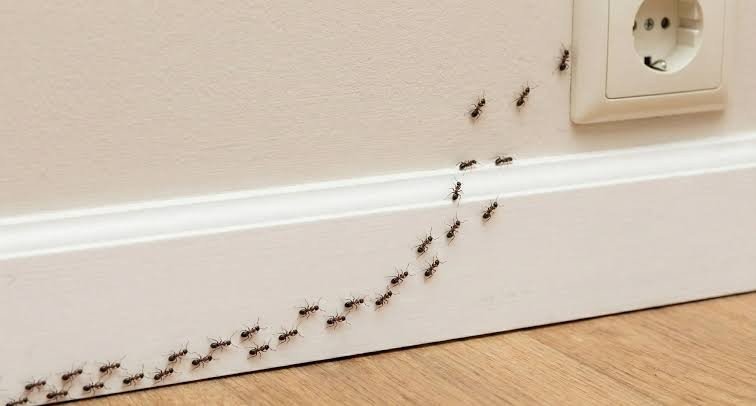
Have you discovered hidden ants inside walls or cavities?
Structural voids require deep internal containment protocols. We apply specialized dust injections to target nesting ants inside walls and insulation channels, eliminating colony pockets that standard surface sprays cannot reach.
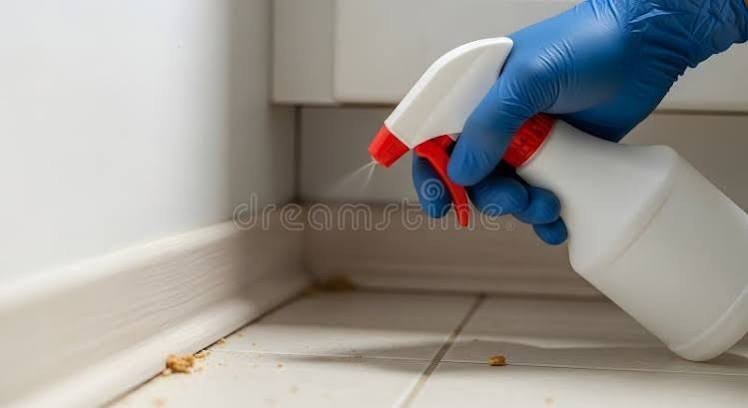
Are you applying specialized ant spray for outdoors?
Long-term perimeter security relies on heavy-duty external defense lines. Applying a targeted ant spray for outdoors creates an invisible protective barrier around your property foundation, intercepting future structural intrusions permanently
Recognizing the Critical Signs of Ant Infestation
Correctly identifying early structural indicators is critical to maintaining high indoor sanitation standards and protecting baseline building materials from progressive damage. Finding an entire apartment infested with ants or noticing active trails across bathroom tiles signals that a mature colony has breached external barriers nearby. These insects are highly efficient foragers, meaning minor trailing activity along kitchen countertops often connects back to massive underground networks nested deep beneath concrete foundations or inside interior wall voids. Recognizing localized behavioral patterns—such as fine wood shavings collecting near doors or miniature dirt mounds erupting along exterior structural junctions—helps property owners address pest vectors before populations expand. Evaluating the following common situational conditions allows you to determine if internal boundaries require immediate attention.
Common Behavioral Warning Signs to Watch For
Trailing Columns on Countertops
Spotting persistent columns of marching worker insects trailing across your kitchen cabinetry confirms that foraging pests have entered food-handling zones.
Wood Shavings Beneath Baseboards
Discovering fine, sawdust-like material collecting beneath wooden windowsills or door frames indicates that destructive wood-boring varieties are tunneling inside walls.
Dirt Mounds Near Concrete Joints
Noticing miniature sand hills or soil ridges erupting between your patio brick pavers means active colonies are expanding beneath foundations.
Seasonal Winged Swarmers Indoors
Observing winged insects suddenly crowding around glass panels or indoor light sources signals that a mature colony is nested inside structures.
Simple Standards to Help You Choose the Right Ant Control Service
Getting rid of ants for good takes more than just spraying the few insects you see walking across your kitchen floor or bathroom counters. Because these pests build massive hidden colonies deep inside wall gaps or beneath concrete foundations, a truly successful treatment must focus on finding the root source, neutralizing the breeding queen, and stopping future bugs from breaking through your outer property borders. Choosing a reliable service provider should not be based on quick temporary fixes that only provide relief for a few days. Instead, you can look for these three basic operational steps and long-term protection methods to ensure your home stays completely comfortable, sanitary, and ant-free for a very long time.
Non-Repellent Bait Transfer
Successful treatment utilizes advanced bait technologies. Worker insects safely absorb non-repellent formulations and carry them directly into hidden voids, neutralizing the underground queen permanently.
Sub-Slab Barrier Protection
Long-term safety relies on blocking foundational access points. Setting up liquid soil barriers around concrete expansion joints interrupts subterranean nesting migration channels without disrupting structures.
Wood-Boring Species Identification
Different varieties require specific eradication protocols. Accurate identification separates structural moisture-attracted varieties from standard foraging garden pests, allowing for highly targeted material applications.
Frequently Asked Questions
Standard store-bought sprays only kill the foraging workers on contact, which triggers a defense response called budding where the deep-hidden underground colony splits up and creates multiple new nesting queens inside your walls.
While visible trailing reduces within forty-eight hours of applying non-repellent bait systems, completely neutralizing deep structural colonies or large wood-boring populations usually takes anywhere from several days to two full weeks.
Yes, professional gel treatments and bait configurations are placed deep into hidden wall voids, structural crevices, and tamper-resistant stations, ensuring target pests are managed safely without exposing curious domestic pets to risk.
Yes, specific wood-boring varieties like carpenter ants chew through inner structural framing and moist wooden supports to build nesting galleries, which weakens baseline building integrity over time if left untreated.
Rising outdoor temperatures and dry weather dry up natural food sources, forcing large underground colonies to actively forage inside cooler residential structures to locate moisture supplies and accessible household kitchen sugar items.
Long-term prevention relies on sealing tiny foundation cracks, fixing leaking bathroom pipes promptly, wiping down open food preparation counters daily, and setting up professional exterior perimeter liquid barriers around your building.
Put a Permanent Stop to Kitchen Ant Invasions
Don’t let endless ant trails ruin your household sanitation or allow destructive carpenter ants to tunnel deep inside your wooden walls. Our local team uses specialized ant bait systems to eliminate the hidden colony queens, completely clearing worker ants from your property while setting up long-lasting outdoor defensive perimeters.